
Techniques
Beard and Eyebrow Transplants: What to Expect, Step by Step
Medically reviewed by Dr. Kadir Devrim Demirel on
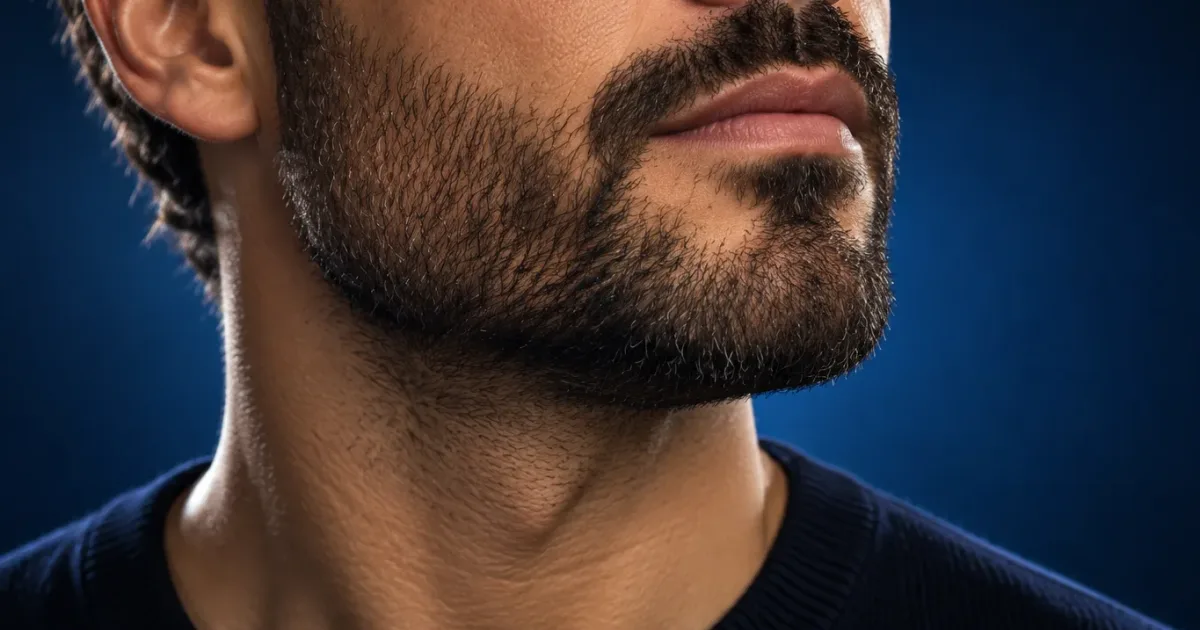
Beard and eyebrow transplants move hair from the scalp to the face. This guide explains each step, what a systematic review and a beard case series report about results, and what aftercare and trimming involve.
Key facts
- Beard and eyebrow transplants usually use hair taken from the back of the scalp, extracted one graft at a time with FUE.
- A 2018 systematic review of eyebrow and eyelash transplantation found 354 patients in 51 clinical studies from 18 countries. Most of the evidence came from case reports and case series.
- In that review, burns were the most common cause of eyebrow or eyelash loss, at 57.6% of cases.
- Transplanted scalp hair keeps growing like scalp hair, so eyebrows usually need regular trimming.
- The review reports that maximum density appears at 8 to 14 months, and advises at least 8 months between procedures.
- In a beard case series of 10 patients followed for a median of 39 months, the mean closure of the treated area was 53%.
Who is a candidate
People ask about facial hair transplants for patchy or thin beards, scars in the beard area, over-plucked eyebrows, and hair loss after burns or injuries. Some causes of eyebrow loss are medical conditions. A doctor should identify the cause first, because a transplant into an area with active hair loss may not last.
You also need a donor area with enough healthy hair. For most people this is the back of the scalp. The doctor checks hair thickness, colour and curl, because the transplanted hair keeps these characteristics.
The procedure, step by step
- Design. The doctor draws the planned beard line or eyebrow shape with you, usually with you sitting upright and looking in a mirror.
- Local anaesthesia. The donor area and the face are numbed.
- Extraction. Grafts are taken one by one from the donor area with FUE. Single-hair grafts are preferred for the eyebrows and the edges of the beard.
- Placement. Each graft is placed at a low, flat angle that follows the natural direction of facial hair. This angle matters more on the face than on the scalp, because facial hairs lie close to the skin.
- Check. The team checks symmetry before you leave.
What the evidence shows
Eyebrows
Klingbeil and Fertig reviewed 67 articles on eyebrow and eyelash transplantation. The 51 clinical studies included 24 case reports, 25 case series and 2 clinical trials, covering 354 patients with a mean age of 29. With follicular unit techniques, nearly all patients had mean graft survival above 75%. Patients with burn scars had lower survival in some reports. Complications were mostly mild and temporary, such as swelling, bruising and folliculitis.
[[grafik:1]]The authors note that most studies were observational and that graft failures may be under-reported. This is a realistic picture of the field: facial hair transplants are well established, but large controlled trials are rare.
Beards
Civaş and colleagues reported 10 consecutive patients treated for beard defects with FUE between 2007 and 2016, with a mean age of 29.6 years. After a median follow-up of 39 months, the mean closure of the treated area was 53%. Of the 10 patients, 4 were satisfied and 4 were very satisfied. The series is small, and it shows that a single session often improves the area rather than filling it completely.
Healing and aftercare
The review describes keeping eyebrow grafts dry for five days. Small crusts form around each graft on the face and come away in the first weeks. As with scalp transplants, many transplanted hairs shed in the first weeks before new growth starts. Your clinic will tell you when you can wash your face normally, use skincare products and shave the beard area.
Because the hair comes from the scalp, it grows faster and longer than natural eyebrow hair. Plan for regular trimming. The review describes some cases needing trimming every two to three weeks.
Timing and second sessions
Density builds slowly. The review reports maximum density at 8 to 14 months and advises at least 8 months between procedures. If the first result is good but not dense enough, a smaller second session can be planned after the first has matured.
| Question | Beard transplant | Eyebrow transplant |
|---|---|---|
| Usual donor area | Back of the scalp | Back of the scalp |
| Graft type | Single and two-hair grafts | Mainly single-hair grafts |
| Main design point | Beard line and cheek line | Shape, symmetry and hair direction |
| Maintenance | Shaving and trimming as normal once healed | Regular trimming, as the hair grows like scalp hair |
| When to judge the result | After many months | 8 to 14 months, according to the review |
Next step
Read more on our beard transplant and eyebrow transplant pages. For a personal plan, send us photos of your face and the back of your scalp.
Frequently asked questions
Is a beard transplant permanent?
Transplanted hair usually comes from the back of the scalp, which is less affected by pattern hair loss, so it tends to last. The final density depends on how many grafts survive and on your donor hair.
Do transplanted eyebrows need trimming?
Yes. The hair comes from the scalp and keeps growing like scalp hair. A 2018 review describes some cases needing trimming every two to three weeks.
When will I see the final result of an eyebrow transplant?
A 2018 systematic review reports maximum density at 8 to 14 months after the procedure.
Can I have a second beard or eyebrow session?
Yes, if the donor area allows it. The 2018 review advises waiting at least 8 months between procedures.
References
- Klingbeil KD, Fertig R. Eyebrow and eyelash hair transplantation: a systematic review. J Clin Aesthet Dermatol. 2018;11(6):21-30. jcadonline.com
- Civaş et al. Follicular unit extraction as a valuable method for the restoration of beard: retrospective case series study. J Cosmet Dermatol. 2020. onlinelibrary.wiley.com
More guides
How to Read Hair Transplant Reviews and Before-and-After Photos
Reviews and before-and-after photos are the evidence most patients use to choose a clinic, and both can mislead. This guide explains how to judge a photo, how to spot an unreliable review and what the law in the US, UK and Türkiye says.
DHI vs FUE vs Sapphire FUE vs FUT: Hair Transplant Techniques Compared (2026)
DHI, FUE, sapphire FUE and FUT are often presented as competing products. In fact they describe different steps of the same surgery. This guide explains what each name means, what the evidence shows and how the method is chosen.
Afro Hair Transplant Clinics in Turkey: How to Choose One for Curly and Coily Hair
Afro-textured hair needs a clinic with specific experience, because curved follicles change how grafts are extracted. This guide sets out the questions to ask, the evidence behind them and the warning signs to watch for.
This article is for general information and does not replace a medical consultation. Results vary from person to person. Your doctor will explain what is realistic for you after an assessment.
Get a free online assessment
Send us a few photos. Our team reviews your case and replies, usually within one business day.